Spring and early summer: inspect after storms
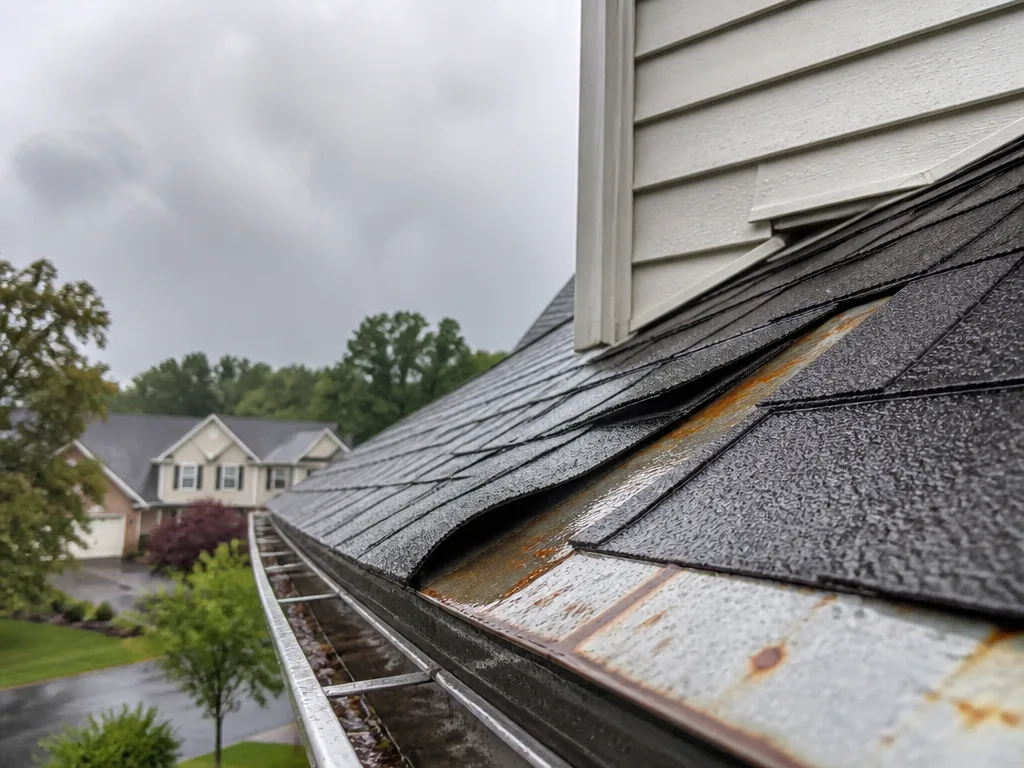
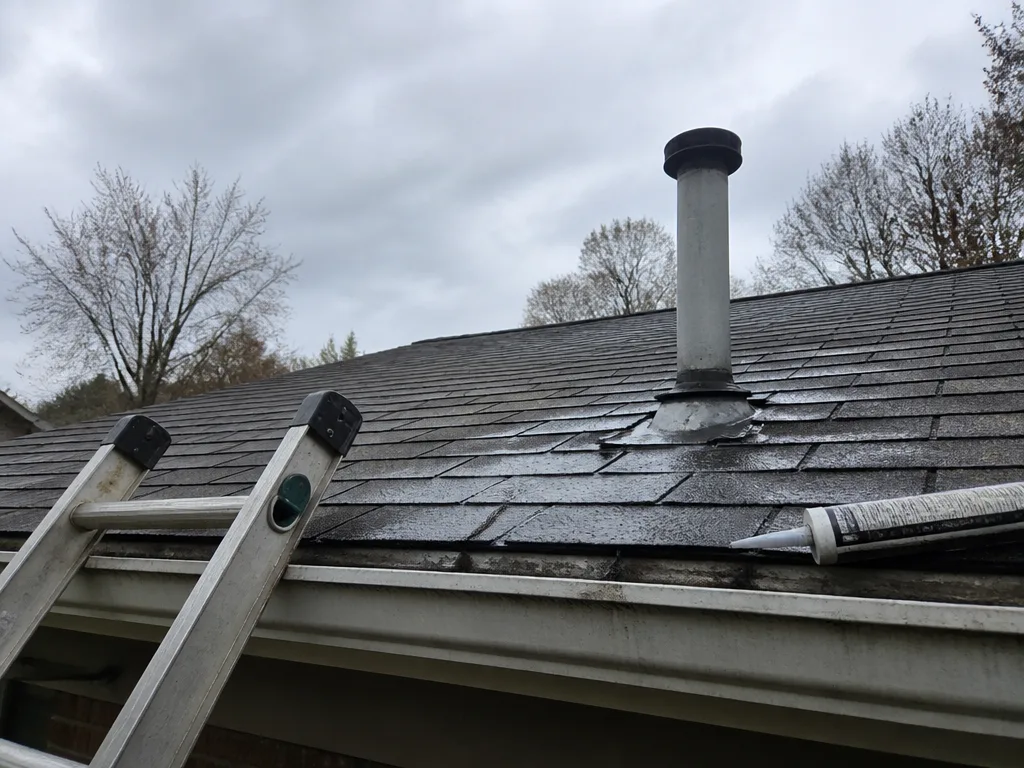
Maryland springs bring heavy rain and wind. After a storm, check the chimney and vent areas for loose flashing, exposed nails, or lifted edges. If you see gaps or water marks inside the attic, it’s time for a closer look. A quick exterior check can be done from the ground by spotting bright metal that looks bent or shifted.
Inside the attic, look for musty smells or dark damp spots near the chimney line or vent stacks. These are red flags that moisture has found a path through the flashing and sealant. Addressing it early keeps interior damage from piling up across Maryland homes.
Summer maintenance: keep water away from the joints
Hot sun can dry sealants and adhesives, but heat also can flex metal and shingles. Inspect the flashing after any significant heat waves or storms that produce wind-driven rain. Ensure the step flashing along the roof line remains tight and that sealant lines are intact. Maryland crews know that a small crack now can become a leak later in the season.
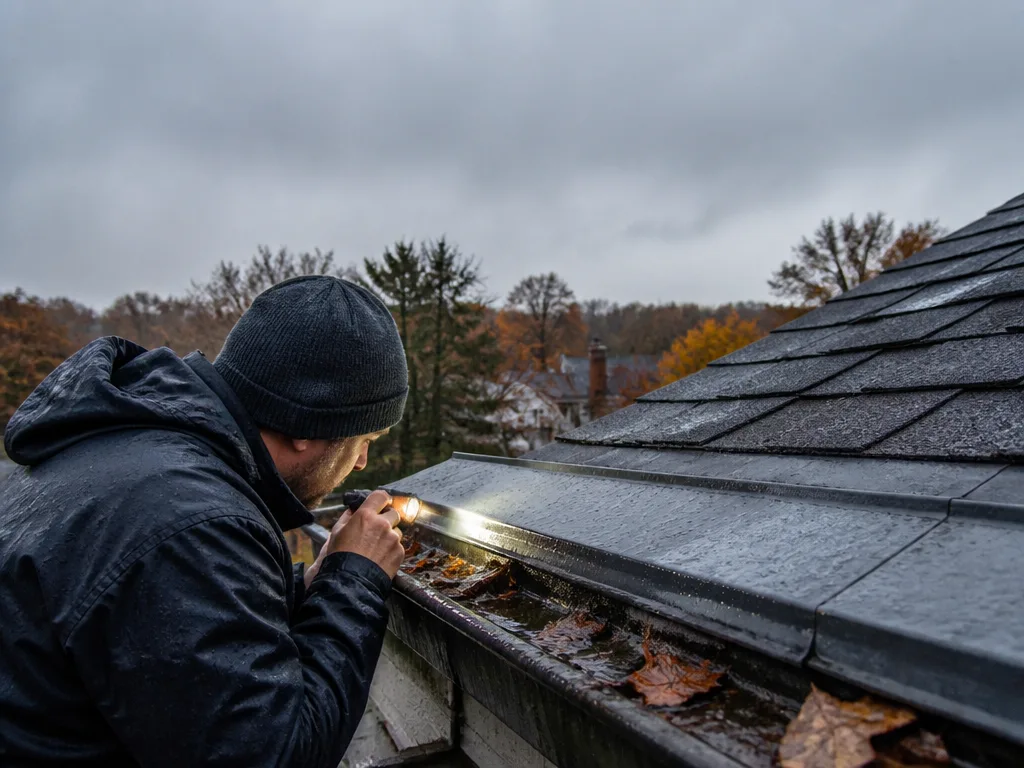
Gutters should be clear and functioning well. Overflowing water at the base of the chimney or along the roof edge increases pressure on flashing joints. A simple maintenance sweep can prevent a lot of stress on the roofing system and reduce the chance of interior leaks.
Fall and winter readiness
As temperatures drop, metal can contract and shift slightly. Before winter, have a pro review the flashing around the chimney, vents, and dormers. Sealing around joints helps keep moisture out during snow, sleet, and ice storms. The goal is to maintain a continuous seal that holds up through Maryland's diverse climate.
During the cold months, keep an eye on any icicles forming near flashing. While icicles themselves aren’t proof of a leak, they point to heat loss and moisture paths that can feed condensation behind flashing. A quick professional check sets you up for a drier season.
Long-term prevention tips
Schedule regular inspections every few years, especially after major storms. If you have metal flashing, consider a periodic reseal and joint re-tightening as part of a maintenance plan. Our crews across Maryland can tailor a follow-up schedule that fits the age and style of your roof, giving you a clear plan rather than guesswork.